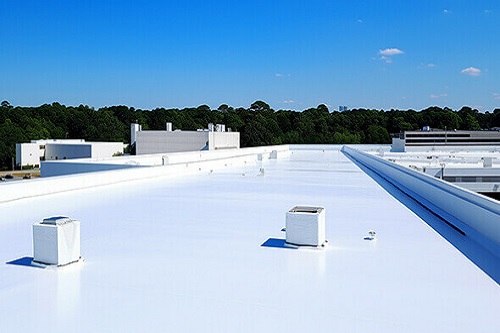
Not all roofs are the same. Commercial buildings use different designs compared to homes. Many use flat or low-slope surfaces. These are easier to maintain but require special materials.
A roofing system means all parts working together. This includes the surface layer, insulation, drainage, and support structure. If one part fails, the whole system can be affected.
In Amarillo, systems must handle heat and wind at the same time. According to the National Weather Service, the Texas Panhandle often sees wind speeds above 60 mph and frequent hail events. These conditions make proper installation very important.
When you understand how systems work, you can make better decisions about repairs or upgrades.
Weather in this region is not mild. Summers are hot and dry. Storm seasons bring hail and strong gusts. Winter can also cause sudden temperature drops.
This constant change creates stress on building materials. Expansion and contraction can cause cracks. Wind can lift edges. Hail can damage surface layers.
A poorly installed system may fail early. A well-designed one can last for decades.
You may ask yourself, is my building ready for these conditions? If you are unsure, it is worth getting a professional inspection.
Most issues do not start big. They begin small and grow over time. Knowing the early signs can help you avoid large repair costs.
Here are some common problems you should watch for:
Each of these signs points to a deeper issue. For example, ponding water often means poor drainage. Over time, this can weaken the structure.
According to the Roofing Contractors Association, water damage is one of the leading causes of commercial roof failure. Early action can prevent this.
Repair work is often the first step. Not every problem needs a full replacement. In many cases, targeted fixes can extend the life of your system.
A roof repair means fixing specific damaged areas. This can include sealing leaks, replacing sections, or reinforcing weak points.
The key is timing. If you act early, repairs stay simple and cost less. If you wait too long, damage spreads.
You should also know that hidden damage is common. What looks fine on the surface may not be strong underneath. That is why professional inspection matters.
Sometimes repairs are not enough. A system reaches the end of its lifespan. At that point, replacement becomes the better option.
A roof replacement means removing the old system and installing a new one. This gives you a fresh start with better materials and improved performance.
You might need replacement if:
A new system can improve efficiency and reduce long-term costs. It also increases the value of your property.
Sometimes you do not need a full replacement. A coating can restore performance.
A roof coating is a liquid layer applied on top of the existing surface. It seals cracks and protects against UV damage.
Coatings can extend lifespan by 10 to 15 years. They also improve energy efficiency.
This option works best when the structure is still in good condition. It is not suitable for severely damaged systems.
Different buildings require different materials. Each system has its own strengths. Choosing the right one depends on your structure and budget.

TPO is a white membrane. It reflects sunlight and helps reduce heat. This makes it a good choice for hot climates.
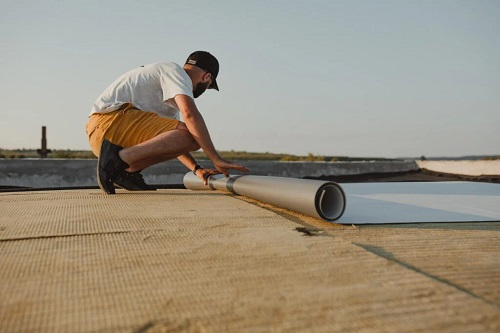
PVC is strong and resistant to chemicals. It is often used in restaurants and factories.
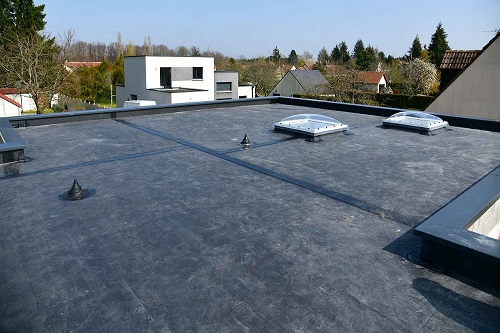
EPDM is a rubber material. It is flexible and handles temperature changes well.
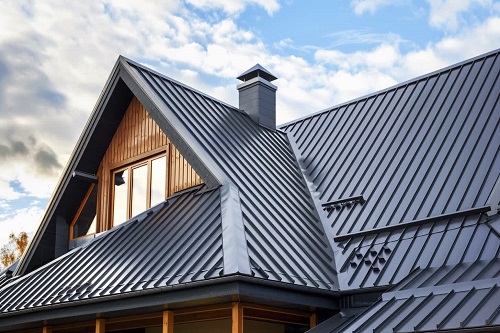
Metal systems are long-lasting. They resist wind and fire. Many can last over 40 years.
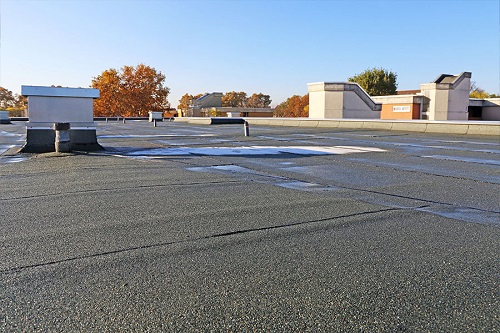
This system uses multiple layers. It provides strong protection against weather and foot traffic.
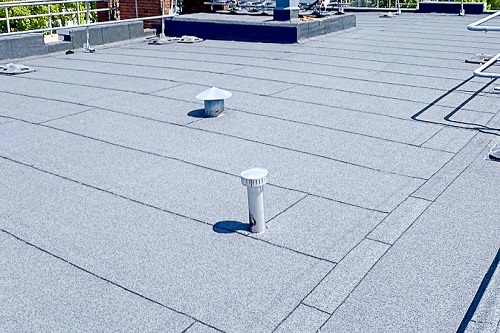
Flexible, durable flat roofing system built for heat, wind, and long-term performance.
Energy use is a big concern for commercial buildings. A poor roof can let heat enter or escape. This increases cooling and heating costs.
Modern systems focus on energy efficiency. This means using materials that reflect heat and improve insulation.
For example, reflective coatings can lower surface temperature by up to 50°F. This can reduce cooling costs significantly. Studies from the U.S. Department of Energy support this.
You may not notice the savings right away. But over time, they add up.
Many building owners ignore maintenance. This is a costly mistake.
Regular checks help catch small issues early. This prevents larger problems later.
A simple maintenance plan includes:
According to industry data, proper maintenance can extend roof life by up to 30%.
Think of it like servicing a machine. Without care, it wears out faster.
Not all contractors offer the same quality. Choosing the right one is critical.
You should look for:
Ask questions before hiring. How do they inspect? What materials do they use? Do they follow local codes?
A good contractor explains things clearly. They do not rush decisions.
Our expertise is not limited to one type of building. We proudly serve:
Industrial & Manufacturing: Large-scale flat roof expertise.
Healthcare & Education: Specialized timing to ensure safety and quiet environments.
Retail Centers: Focused on aesthetic appeal and customer safety during repairs.
Service Areas: We extend our professional reach to Canyon, Hereford, Bushland, and Panhandle, TX.
This is a common question. The answer depends on the material and maintenance.
Here is a simple table for reference:
| Roofing Type | Average Lifespan |
|---|---|
| TPO | 15–25 years |
| PVC | 20–30 years |
| EPDM | 20–25 years |
| Metal | 40–60 years |
| Built-Up | 15–20 years |
These are general ranges. Actual lifespan depends on care and weather exposure.
Some warning signs need quick action. Ignoring them can lead to serious damage.
Look out for:
If you notice these, do not wait. Early action protects your building.
Your commercial property is a major investment. The roof plays a key role in keeping it safe.
A strong system reduces risk, lowers costs, and improves efficiency. It also gives you peace of mind.
You do not need to rush decisions. But you should stay informed.
Ask yourself: When was my last inspection?
If you are unsure, it may be time to take a closer look.
With the right approach, your building can stay protected for many years.
For energy efficiency and wind resistance, TPO is generally the best all-around choice. However, for longevity and chemical resistance, PVC or Metal may be superior depending on your building’s specific needs.
Commercial properties should be evaluated at least twice a year—once in the spring before storm season and once in the fall.
Yes. A professionally applied silicone coating can add 10 to 20 years to a roof’s life, provided the insulation beneath the membrane is dry and the structure is sound.