Professional Siding Services in Amarillo TX
Your home faces tough weather in the Texas Panhandle. Heat. Wind. Hail. Dust.
Your siding stands between your home and these elements.
When you invest in siding services in Amarillo TX from a trusted roofing contractor in Amarillo TX, you are not just improving looks. You are protecting structure, insulation, and long-term value.
Do you know if your current siding is still doing its job?
Many homeowners don’t notice problems until damage spreads. Small cracks can lead to moisture intrusion. That means mold, rot, and costly repairs.
A properly installed system helps you avoid that.
Get Your Free Siding Estimate
Why Siding Matters in Amarillo’s Climate
Amarillo weather is not mild. It is extreme.
You deal with:
- High winds (often 60+ mph)
- Strong UV exposure
- Sudden hailstorms
- Rapid temperature changes
These conditions break down weak materials quickly.
Siding is your home’s outer shell.
It controls how your home handles heat, moisture, and airflow. Pairing durable siding with properly sloped seamless gutters and downspouts ensures rainwater sheds cleanly away from your exterior walls and foundation.
According to the U.S. Department of Energy, proper exterior insulation and cladding can reduce energy loss significantly in residential buildings.
That means better comfort and lower bills.
Signs Your Siding Needs Attention
Not sure if you need repair or replacement?
Look for these warning signs:
- Cracks or holes in panels
- Warping or loose sections
- Faded or chalky surface
- Water stains inside walls
- Rising energy bills
These signs point to material failure or moisture intrusion.
Moisture intrusion means water is getting behind the siding. That can damage framing and insulation.
If you see even one of these signs, it is worth checking early.
Our Complete Siding Services
We handle every stage of siding work. From small fixes to full exterior upgrades.
Siding Installation for New Homes
Building a new home?
You need proper siding from day one.
We focus on:
- Moisture barrier setup
- Correct fastening spacing
- Ventilation gaps
These steps prevent future damage.
A good installation is not just about panels. It is about the system behind them.
Siding Replacement for Aging Homes
Old siding loses strength over time.
Heat and UV rays make materials brittle. Wind loosens fasteners. Water seeps in.
Replacing your siding can:
- Improve insulation
- Increase home value
- Stop hidden damage
You also get a cleaner, modern look. We frequently coordinate full siding upgrades alongside complete residential roofing replacements to give homes a completely refreshed and weatherproof exterior envelope.
Targeted Siding Repair
Not every problem needs full replacement.
Small issues can be fixed early.
We repair:
- Cracked panels
- Loose boards
- Storm damage
- Water entry points
Fixing early saves money.
Storm Damage Siding Repair
Storms are common in Amarillo.
Hail and wind can damage siding quickly.
You may not always see the damage right away.
We inspect for:
- Impact marks
- Hidden cracks
- Loose fasteners
- Water entry
Early repair prevents deeper structural issues. If a severe storm just impacted your neighborhood, our emergency crews provide comprehensive storm damage roof repair and siding restoration. Read our Amarillo hail damage repair guide for tips on navigating insurance adjusters.
Don't Wait Until Damage Gets Worse
Types of Siding Materials We Work With
Not all siding materials perform the same.
Each has strengths and limits.
Vinyl Siding
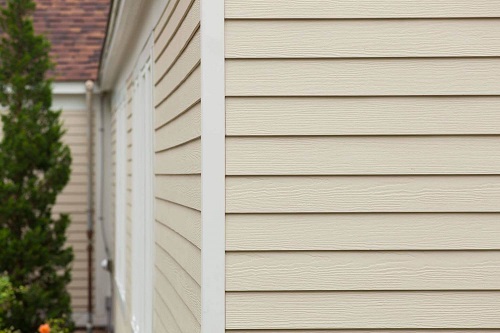
Vinyl is widely used.
Why?
• Low maintenance
• Affordable
• Moisture resistant
It works well in hot climates.
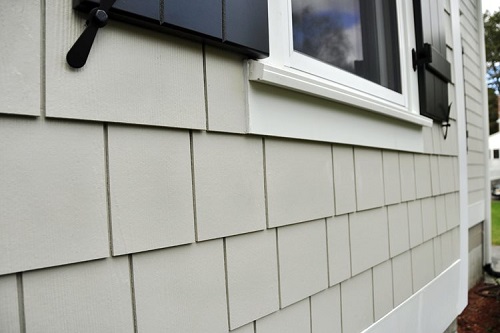
Fiber Cement Siding
Fiber cement is stronger.
It resists:
• Fire
• Hail
• Rot
It performs well in extreme weather.
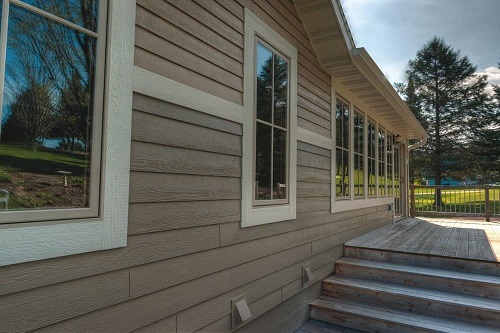
Engineered Wood Siding
This gives a natural wood look.
But with better durability.
It resists:
• Insects
• Moisture
• Warping
Good balance of style and strength.
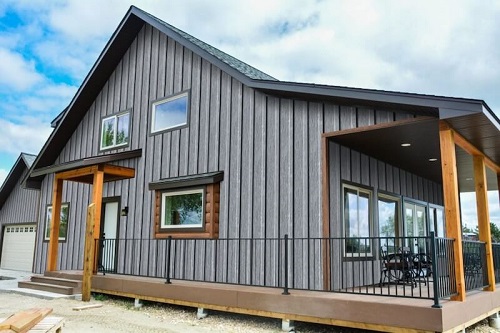
Metal Siding
Metal is highly durable.
It handles:
• High wind
• Hail impact
• Temperature swings
Often used for modern homes.
Our Step-by-Step Siding Installation Process
We follow a structured process.
No shortcuts.
1. Inspection & Planning
We check:
• Existing structure
• Moisture levels
• Surface condition
Then we plan the system.
2. Surface Preparation
We remove old siding.
We install:
• House wrap (water barrier)
• Flashing (water redirection
layer)
These protect your walls.
3. Installation
We install siding with:
• Proper spacing
• Secure fastening
• Ventilation allowance
This prevents expansion damage.
4. Final Check & Cleanup
We inspect all edges and joints.
We clean the site.
Your home is ready.
How Siding Improves Energy Efficiency
Siding does more than protect walls.
It affects your energy use.
When installed correctly, it creates a thermal barrier.
A thermal barrier means it slows heat transfer.
That keeps your home:
- Cooler in summer
- Warmer in winter
According to the U.S. Environmental Protection Agency, improving building envelope performance can reduce energy consumption significantly.
Better siding = lower HVAC load.
Common Siding Problems in Amarillo Homes
Many homes face the same issues.
Wind Damage
Strong gusts loosen panels.
This creates gaps.
Water can enter.
UV Degradation
Sunlight breaks down materials.
It causes fading and cracking.
Moisture Damage
Water gets behind siding.
This leads to:
- Mold
- Rot
- Structural decay
Poor Installation
Bad installation causes early failure.
Common mistakes:
- Incorrect fastening
- No moisture barrier
- Improper alignment
These reduce lifespan.
Maintenance Tips to Extend Siding Life
Want your siding to last longer?
Follow these steps:
- Inspect once a year
- Clean dirt and debris
- Fix small cracks early
- Check after storms
- Keep gutters working properly
Small actions prevent big repairs.
One Key Thing Many Homeowners Miss
Most people focus only on visible panels.
But the real system is underneath.
That includes:
- House wrap
- Flashing
- Fasteners
If these fail, siding fails.
So always think beyond the surface.
Why Local Experience Matters
Not all contractors understand Amarillo.
Local knowledge matters.
We know:
- Wind load requirements
- Common failure points
- Soil and moisture behavior
This helps us design systems that last.
A siding job in another state may not survive here.
Areas We Serve
We work across the Texas Panhandle.
Including:
- Amarillo (Potter & Randall Counties)
- Canyon, TX
- Bushland, TX
- Hereford, TX
- Surrounding communities
Local service means faster response. Contact our team today for a free on-site estimate.
Frequently Asked Questions
How long does siding last?
It depends on material.
Vinyl: 20–30 years
Fiber cement: 30–50 years
Metal: even longer
Can siding reduce energy bills?
Yes.
It improves insulation and reduces heat loss.
Do storms damage siding?
Yes.
Hail and wind can crack or loosen panels.
Repair or replace?
Small damage = repair
Widespread damage = replacement
Inspection decides.
Is siding worth the investment?
Yes.
It protects structure and improves efficiency.
Final Thoughts: Protect Your Home Early
Your siding does more than you think.
It protects your home.
It controls energy use.
It prevents structural damage.
Ignoring small problems leads to big costs.
So ask yourself:
Is your siding still doing its job?
If not, it may be time to act.