Professional Roofing Contractor
- Experienced roofing contractor in Amarillo TX protecting properties from extreme Texas Panhandle weather.
- Weather-engineered roofing systems built to handle heat, high winds, and hailstorms.
- Durable residential and commercial roofing focused on long-term protection, not temporary fixes.
Book Your Free Consultation
Understanding Roofing in the Texas Panhandle
Roofing in this region is different.
The Texas Panhandle faces:
- High wind zones
- Frequent hailstorms
- Intense UV exposure
According to the National Oceanic and Atmospheric Administration, severe storms in this region occur multiple times each year.
This affects how roofs must be built.
Let’s break down a few key terms:
- Wind uplift: Wind pressure that lifts shingles upward
- Impact resistance: A material’s ability to handle hail
- Class 4 shingles: Highest impact rating under UL 2218
These are not just technical terms.
They directly affect how long your roof lasts.
Why Homeowners and Businesses Choose Local Roofing Experts
When you hire a local contractor, you get more than labor.
You get experience built for your environment.
In Amarillo, that matters.
Built for High Plains Conditions
Your roof expands in heat. It contracts in cold. This constant movement causes stress. A properly designed system handles this. It reduces cracking and early failure.
Knowledge of Local Materials
Not all materials perform well here. Some fail under strong UV exposure. Others cannot handle wind uplift. Local experts recommend materials tested in this climate.
Precision Installation
Every part must be installed correctly. That includes: Nail placement, Sealant use, Flashing alignment. Small errors lead to leaks later.
Fast and Reliable Response
Storms can cause sudden damage. Quick response helps prevent further issues. Temporary protection, like tarping, stops water from entering your home.
Solutions Built for Your Property
Every property is different. A small home does not need the same system as a warehouse. You get a plan based on: Structure, Budget, Long-term goals.
Our Proven Roofing Process
Step 1: Inspection
We inspect the entire system.
We look for:
• Visible damage
• Hidden issues
• Structural concerns
Step 2: Clear Plan
You receive a detailed estimate.
We explain:
• What needs fixing
• Why it matters
Step 3: Professional Work
We complete the job using:
• Proper materials
• Correct techniques
Step 4: Final Check
We inspect everything again.
We clean the site.
Your property is left secure.
Request a Free Roof Inspection today
Common Roofing Problems in Amarillo
Most issues start small.
But they grow fast.
Weather-Related Wear
Heat and UV rays break down materials.
Shingles lose granules.
They become brittle.
Wind Damage
Strong winds lift shingles.
This creates gaps.
Water can enter.
Poor Installation
Incorrect installation leads to early failure.
Common mistakes include:
• Wrong nail placement
• Weak sealing
• Poor flashing
Water Intrusion
Water intrusion means moisture entering your roofing system.
It damages:
• Insulation
• Wood framing
It can also lead to mold.
Our Roofing Services for Amarillo Properties
We provide complete roofing solutions.
From small repairs to full system replacements.
Your home needs a strong and stable roof.
It protects your family and your belongings.
We handle:
- Leak repairs
- Full replacements
- Preventive inspections
Common materials include:
- Asphalt shingles
- Metal panels
- Tile systems
Each option has its benefits.
Commercial roofs are different.
They are often flat or low-slope.
We install:
- TPO (Thermoplastic Polyolefin)
- EPDM (rubber membrane)
TPO is a reflective material that reduces heat absorption.
EPDM is a durable rubber layer used for waterproofing.
These systems help reduce energy use and protect large buildings.
Storms can cause hidden damage.
You may not see it from the ground.
We check for:
- Shingle bruising
- Granule loss
- Flashing damage
We also provide temporary protection.
Tarping means covering exposed areas to stop water entry.
Water must be controlled.
Without proper drainage, water collects near your foundation.
This leads to long-term damage.
We install:
- Seamless gutters
- Downspouts
Seamless means fewer joints, reducing leak risk.
Your siding works with your roof.
It protects walls from wind and moisture.
We install:
- Vinyl siding
- Fiber cement
- Engineered wood
These materials improve durability and insulation.
Serving Amarillo, Canyon, Hereford, Bushland & Nearby Areas
We serve:
- Amarillo
- Canyon
- Hereford
- Bushland
- Nearby communities
Local service means faster response and better understanding of conditions.
Roofing Materials Built for Amarillo Weather
We offer a diverse selection of materials, each chosen for its specific advantages in our local climate.
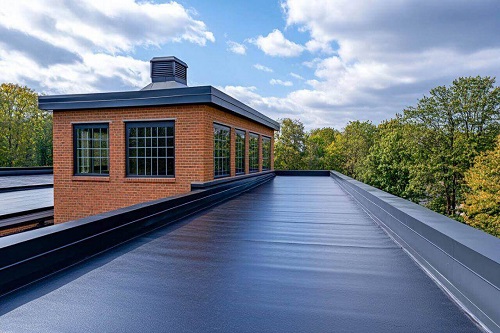
Flat Roofing Systems
Used in commercial buildings.
Includes:
• TPO
• EPDM
These materials resist water and heat.
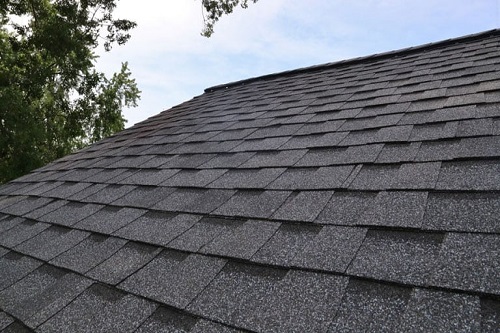
Asphalt Shingles
Affordable and widely used.
They offer:
• Good durability
• Easy replacement
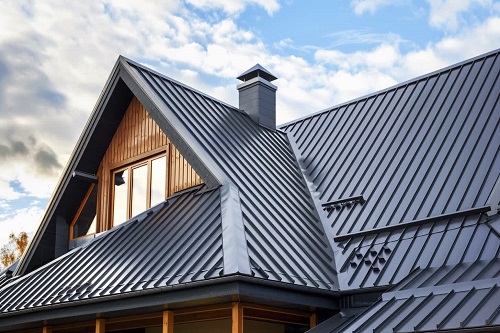
Metal Roofing
Strong and long-lasting.
It handles:
• Wind
• Fire
• Heat
It can last over 50 years.
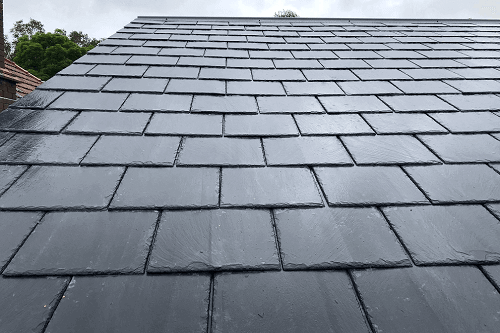
Tile and Slate
Heavy but durable.
They offer:
• Long lifespan
• Natural insulation
Monitor Your Attic
Look for signs of moisture or poor ventilation, which can warp materials from the inside out.
Extend Roof Life
Early detection and timely repairs help prevent damage and keep your roof performing longer.
Tree Trimming
Maintain a safe distance between branches and your roof to avoid impact damage and pest access.
Bi-Annual Inspections
Schedule a professional look-over in the spring and fall to catch seasonal wear.
Act Fast on Leaks
Even a small ceiling stain can indicate a larger problem. Addressing it now prevents structural decay.
Debris Removal
Keep gutters and roof valleys clear of leaves and dirt to prevent water backup.
Proactive Maintenance Tips from Local Experts
A consistent care routine can save you thousands in avoided repairs. We recommend these simple steps:
Looking for a Dependable Roofing Contractor in Amarillo TX?
FAQ: Everything You Need to Know About Amarillo Roofing
How do I know if I need a repair or replacement?
It depends on damage and age.
Small issues = repair
Large or repeated damage = replacement
Do storms always cause visible damage?
No.
Many issues are hidden.
Inspection is important.
How often should I inspect my roof?
At least twice a year.
Also after major storms.
Can roofing improve energy efficiency?
Yes.
Proper insulation and materials reduce heat loss.
According to the U.S. Department of Energy, efficient roofing systems help reduce overall energy consumption.
Do you offer inspections?
Yes.
Inspections help detect issues early.